



5-HT Receptor
Serotonin Receptor; 5-hydroxytryptamine Receptor
5-HT receptors (Serotonin receptors) are a group of G protein-coupled receptors (GPCRs) and ligand-gated ion channels (LGICs) found in the central and peripheral nervous systems. Type: 5-HT1, 5-HT2, 5-HT3, 5-HT4, 5-HT5, 5-HT6, 5-HT7. They mediate both excitatory and inhibitory neurotransmission. The serotonin receptors are activated by the neurotransmitter serotonin, which acts as their natural ligand. The serotonin receptors modulate the release of many neurotransmitters, as well as many hormones. The serotonin receptors influence various biological and neurological processes such as aggression, anxiety, appetite, cognition, learning, memory, mood, nausea, sleep, andthermoregulation. The serotonin receptors are the target of a variety of pharmaceutical drugs, including many antidepressants, antipsychotics, anorectics,antiemetics, gastroprokinetic agents, antimigraine agents, hallucinogens, and entactogens.
5-HT Receptor Isoform Specific Products
-
5-HT Receptor
(573)
View all products
-
5-HT1 Receptor
(456)
View all products
-
5-HT2 Receptor
(480)
View all products
-
5-HT3 Receptor
(34)
View all products
-
5-HT4 Receptor
(18)
View all products
-
5-HT5 Receptor
(14)
View all products
-
5-HT6 Receptor
(86)
View all products
-
5-HT7 Receptor
(89)
View all products
All Product Categories
-
5-HT Receptor Inhibitors
(197)
View all products
-
5-HT Receptor Agonists
(554)
View all products
-
5-HT Receptor Antagonists
(694)
View all products
-
5-HT Receptor Activators
(19)
View all products
-
5-HT Receptor Modulators
(96)
View all products
-
5-HT Receptor Inducers
(2)
View all products
-
5-HT Receptor Controls
(20)
View all products
-
5-HT Receptor Ligands
(32)
View all products
-
5-HT Receptor Related Products (1763)
Related Products (1763)

-
Antibodies (1)
-
Related Compound Screening Libraries (1)
-
5-HT Receptor Isoform Comparison
-
Nefazodone hydrochloride
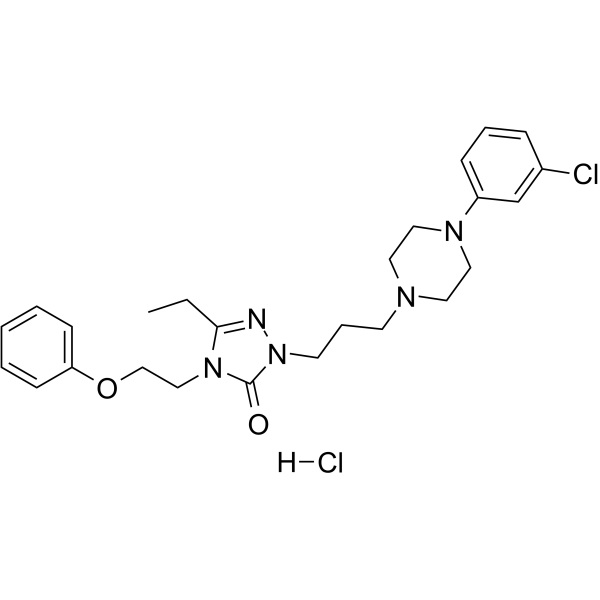 0 ImagesSynonyms: BMY-13754; MJ-13754-1Nefazodone hydrochloride (BMY-13754) is a potent and selective 5HT2A (Ki=5.8 nM) antagonist with moderate inhibition of 5-HT and noradrenaline uptake (IC50 of 290 and 300 nM, respectively). Nefazodone hydrochloride is a phenylpiperazine antidepressant with less alpha-adrenergic blocking activity.

-
Iloperidone
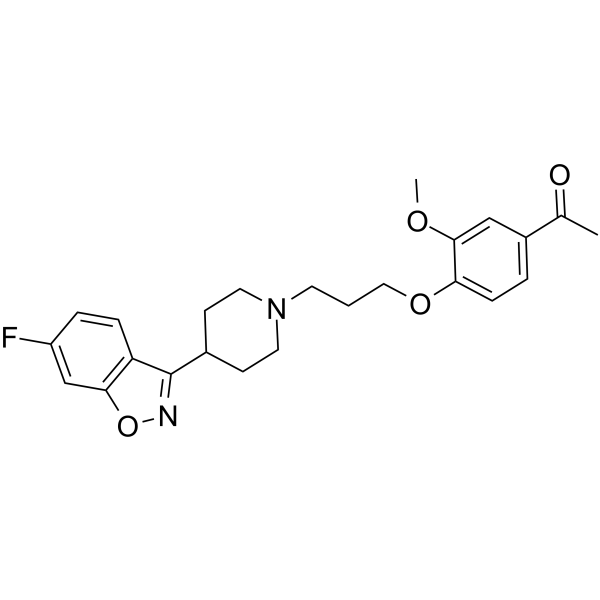 0 ImagesSynonyms: HP 873Iloperidone (HP 873) is a D2/5-HT2 receptor antagonist. Iloperidone is an atypical antipsychotic for the schizophrenia symptoms.
-
2-Bromo-LSD
 0 Images2-Bromo-LSD (BOL-148) is a blood-brain barrier-permeable 5-HT2A partial agonist and competitive partial antagonist. 2-Bromo-LSD acts as both a potent partial agonist (with an EC50 of 0.81 nM for Gq dissociation) and a potent partial antagonist (with a KB of 0.18 nM for Gq dissociation) at the 5-HT2A receptor. 2-Bromo-LSD exhibits partial agonist activity at multiple aminergic GPCRs, including 5-HT2A. 2-Bromo-LSD lacks 5-HT2B agonist activity. 2-Bromo-LSD induces dendritogenesis and spinogenesis. 2-Bromo-LSD reverses the behavioral effects of chronic stress and increases active coping behaviors in mice.
-
UNC9994 hydrochloride
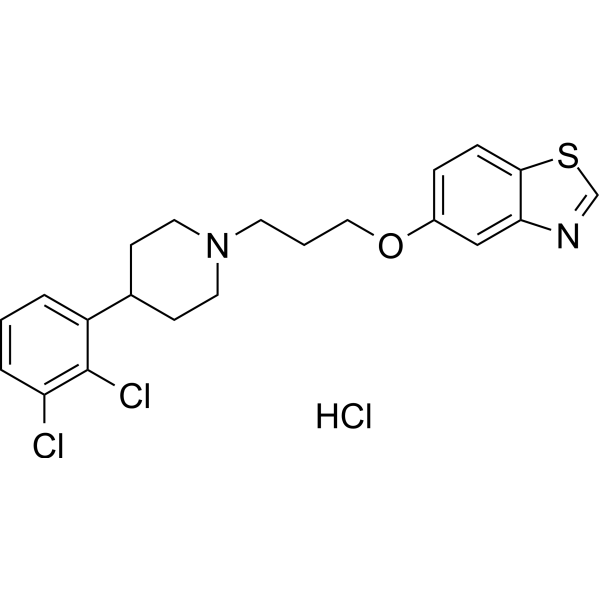 0 ImagesUNC9994 hydrochloride is a functionally selective, β-arrestin–biased dopamine D2 receptor (D2R) agonist that selectively activates β-arrestin recruitment and signaling. UNC9994 hydrochloride shows a binding affinity with a Ki of 79 nM for D2R. UNC9994 hydrochloride is also an antagonist of Gi-regulated cAMP production and partial agonist for D2R/β-arrestin-2 interactions. UNC9994 hydrochloride shows antipsychotic-like activity.
-
Penbutolol sulfate
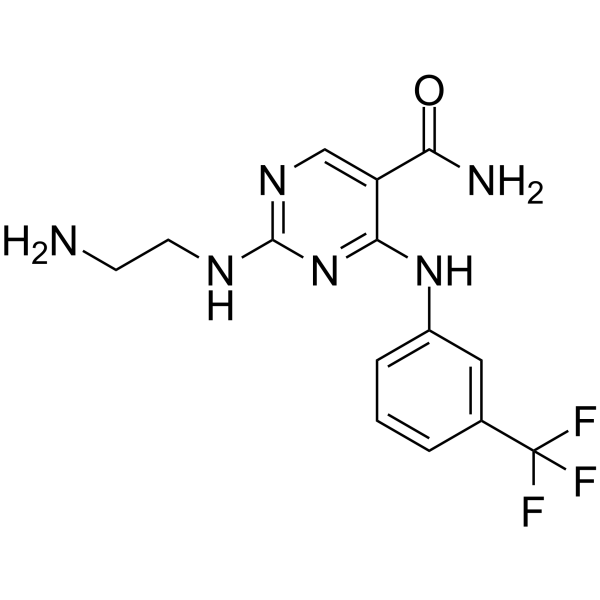
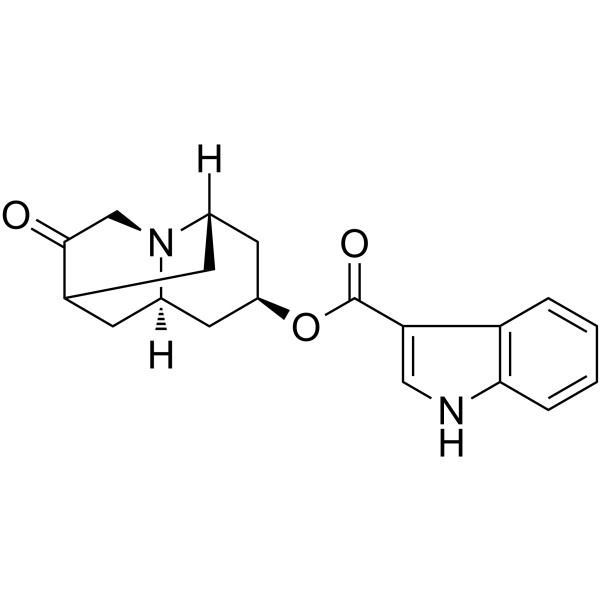
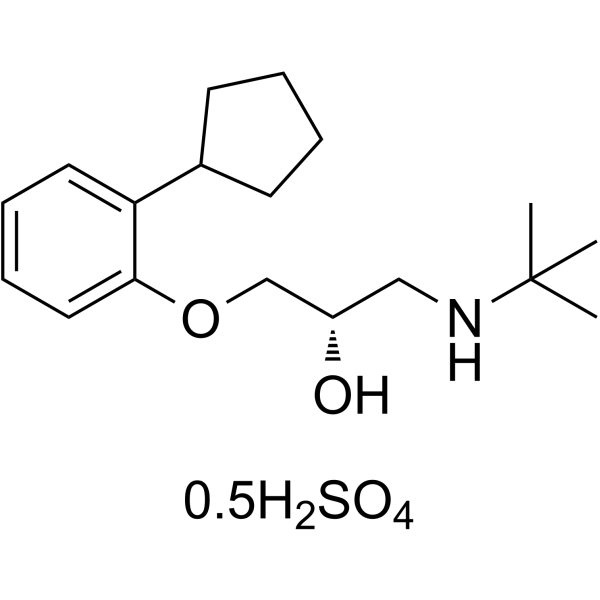 0 ImagesSynonyms: (-)-TerbuclominePenbutolol sulfate ((-)-Terbuclomine) is a potent β-adrenoceptor and 5-HT receptor antagonist with Ki of 11.6 nM and 11.9 nM for 5-HT in rat cornu ammonis 1 (CA1) and human CA3.
-
LY 344864
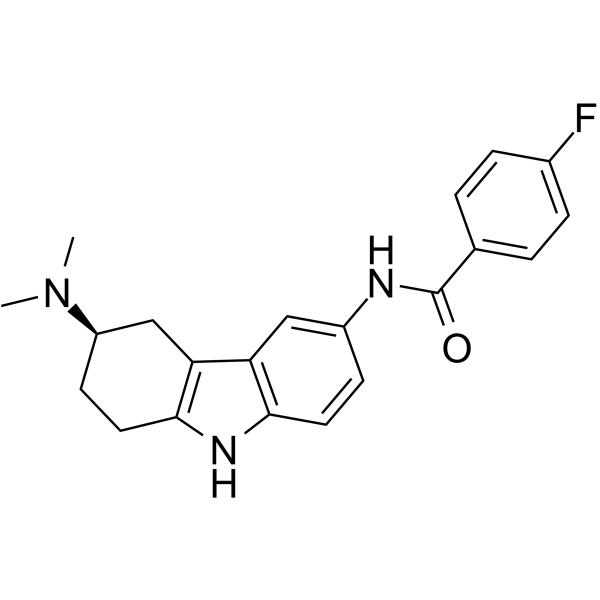 0 ImagesLY 344864 is a selective, orally active 5-HT1F receptor agonist with a Ki of 6 nM. LY 344864 is a full agonist producing an effect similar in magnitude to serotonin itself. LY 344864 can cross the blood brain barrier to some extent.
-
Tandospirone
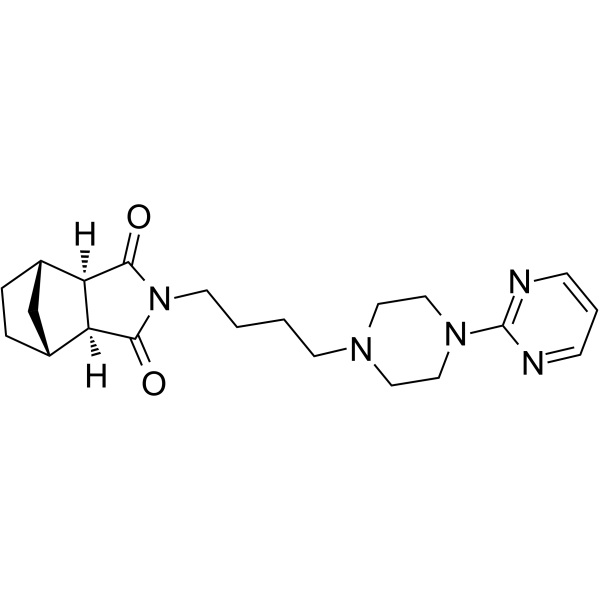 0 ImagesSynonyms: SM-3997Tandospirone (SM-3997) is a potent and selective 5-HT1A receptor partial agonist, with a Ki of 27 nM. Tandospirone has anxiolytic and antidepressant activities. Tandospirone can be used for the research of the central nervous system disorders and the underlying mechanisms.
-
Parishin C
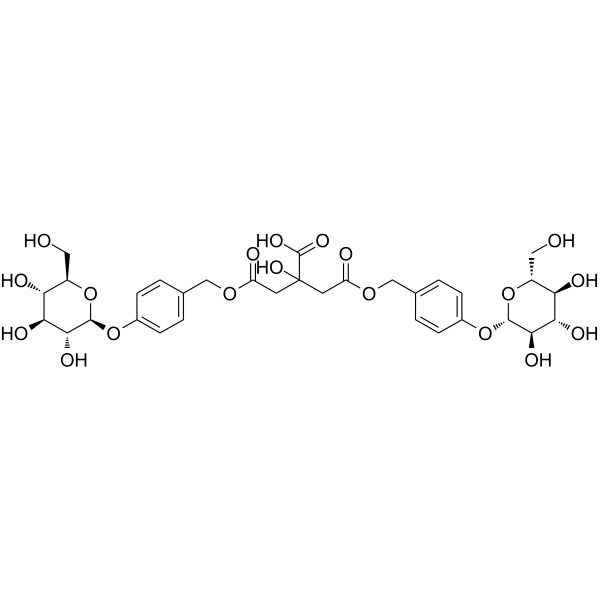 0 ImagesParishin C is a brain-penetrant major bioactive component found in Gastrodia elata Blume. Parishin C is a 5-HT1A receptor agonist with an EC50 of 34 nM. Parishin C has antipsychotic and neuroprotective effects. Parishin C protects against Aβ-induced long-term potentiation damage and NMDA receptor current impairment. Parishin C reduces oxidative stress, pro-inflammatory cytokine levels, caspase activity, brain water content, and cerebral infarct volume; increases antioxidant enzyme activity and BDNF levels; improves nerve function and histopathological brain damage. Parishin C attenuates phencyclidine-induced immobility time increases, sociability deficits, and visual recognition memory impairment. Parishin C can be used for the research of ischemic stroke, Alzheimer's disease, and schizophrenia-like psychosis.
-
RS-102221 hydrochloride
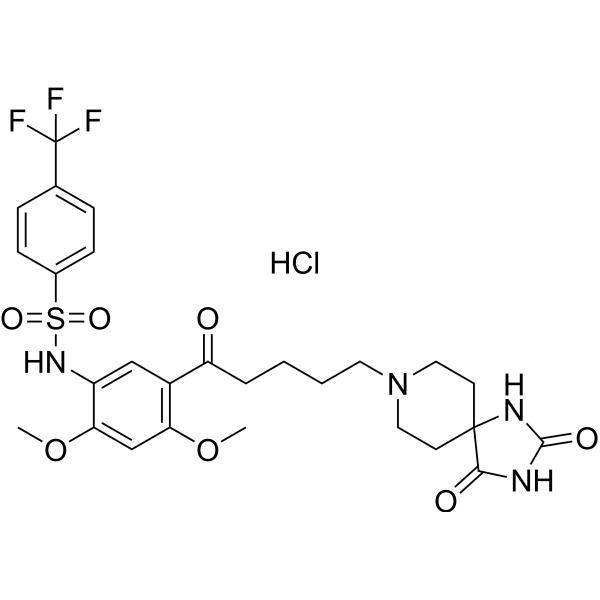 0 ImagesRS-102221 hydrochloride is a selective 5-HT2C receptor antagonist (Ki=10 nM). RS-102221 hydrochloride shows nearly 100-fold selectivity for the 5-HT2C receptor as compared to the 5-HT2A and 5-HT2B receptors. RS-102221 hydrochloride can promote the differentiation of new nerve cells. RS-102221 hydrochloride increases food-intake and weight-gain in rats.
-
Eletriptan hydrobromide
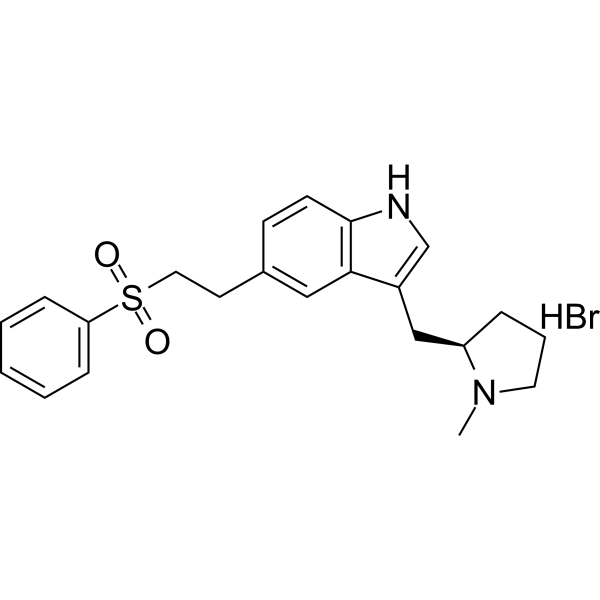 0 ImagesSynonyms: Eletriptan HBr; UK-116044 hydrobromideEletriptan hydrobromide (Eletriptan HBr) is a 5-HT1B and 5-HT1D receptor agonist with antimigraine activity, with Ki of 0.92 nM and 3.14 nM, respectively.
-
SB-277011 hydrochloride
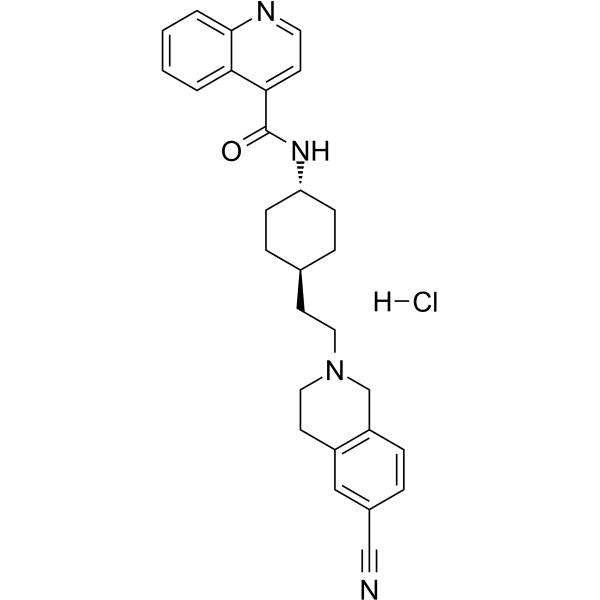 0 ImagesSynonyms: SB-277011A hydrochlorideSB-277011 hydrochloride (SB-277011A hydrochloride) is a potent, selective, orally bioavailable and brain penetrate dopamine D3 receptor (D3R) antagonist with Ki values of 10.7 nM and 11.2 nM at rodent and human D3R, respectively. SB-277011 hydrochloride displays 80- to 100-fold selectivity over other dopamine receptors with pKis of 8.0, 6.0, <5.2, and 5.9 for D3, D2, 5-HT1B, and 5-HT1D receptors, respectively.
-
(Rac)-WAY-161503
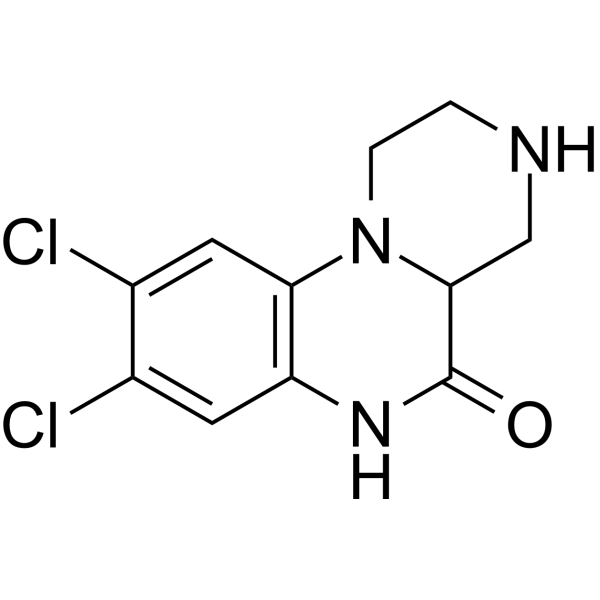 0 Images(Rac)-WAY-161503 is a potent, selective, highly affinity 5-HT2C receptor agonist with a Ki of 4 nM and an EC50 of 12 nM. (Rac)-WAY-161503 displays higher affinity for 5-HT2C than 5-HT2A and 5-HT2B receptors. (Rac)-WAY-161503 has anti-obesity and antidepressant effects.
-
Cyclobenzaprine hydrochloride
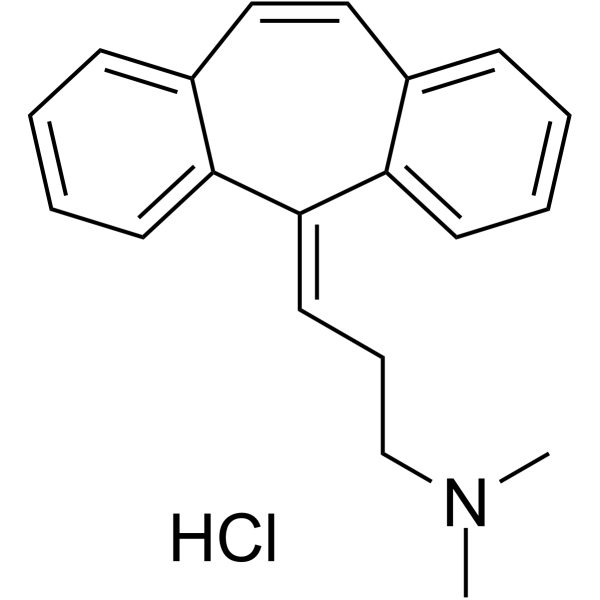 0 ImagesCyclobenzaprine (MK130) hydrochloride is an orally active 5-HT2 receptor antagonist. Cyclobenzaprine hydrochloride acts centrally, providing skeletal muscle relaxation, alleviating muscle spasms, and reducing pain. Cyclobenzaprine hydrochloride also possesses antiparasitic activity. Cyclobenzaprine hydrochloride holds promise for research in the fields of acute, painful skeletal muscle disorders and infectious diseases.
-
Mosapride
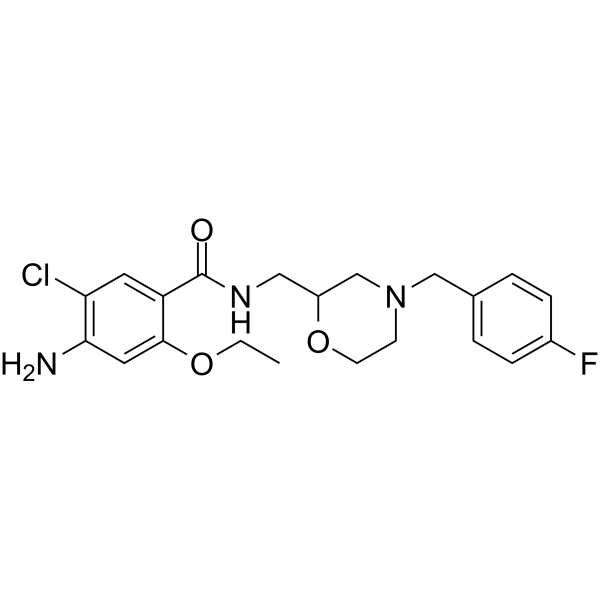 0 ImagesSynonyms: TAK-370; AS-4370Mosapride is an orally active gastroenterokinetic compound. Mosapride is a 5HT4 agonist. Mosapride is a CYP inducer. Mosapride has a concentration-dependent inhibitory effect on Kv4.3, and its IC50 value is 15.2 μM. Mosapride can be used in the study of gastrointestinal diseases.
-
SB 242084 dihydrochloride
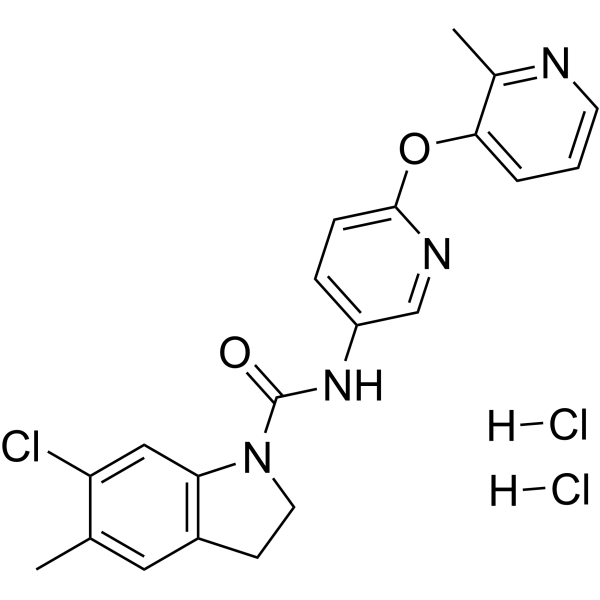 0 ImagesSB 242084 dihydrochloride is a selective, competitive and high-affinity (pKi=9.0) 5-HT2C receptor antagonist (crosses the blood-brain barrier). SB 242084 dihydrochloride increases basal activity of dopaminergic neurons in the ventral tegmental area (VTA) of the midbrain and dopamine release in the vomeronasal nucleus. SB 242084 dihydrochloride also increases mitochondrial gene expression and oxidative metabolism via 5-HT2A receptor. SB 242084 dihydrochloride has good research potential in the negative symptoms of anxiety, depression and schizophrenia, as well as in acute organ damage.
-
Asenapine
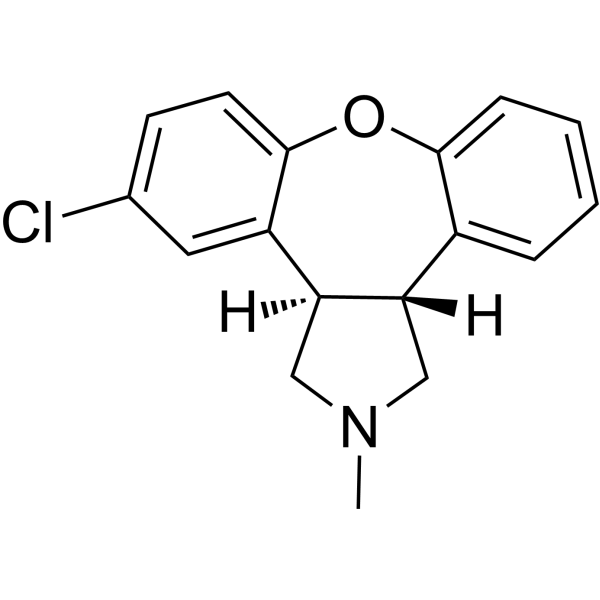 0 ImagesSynonyms: Org 5222Asenapine (Org 5222), an atypical antipsychotic, is an antagonist of serotonin receptors (pKi: 8.4-10.5), adrenoceptors (pKi: 8.9-9.5), dopamine receptors (pKi: 8.9-9.4) and histamine receptors (pKi: 8.2-9.0). Asenapine can be used in the research of schizophrenia and bipolar disorder.
-
Dehydroaripiprazole
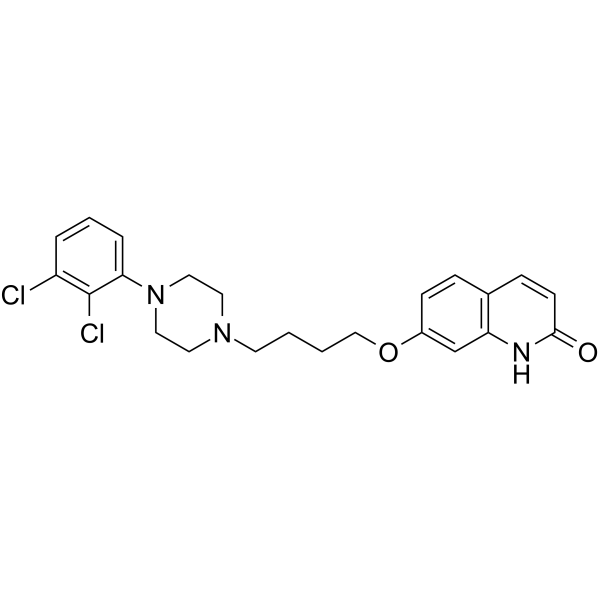 0 ImagesSynonyms: OPC-14857; DM-14857Dehydroaripiprazole (OPC-14857) is an active metabolite of Aripiprazole (HY-14546) and dopamine D2/D3 receptor partial agonist. Dehydroaripiprazole also has certain affinity for serotonin 5-HT1A, 5-HT2A and 5-HT2B receptors. Dehydroaripiprazole has antipsychotic activity equivalent to Aripiprazole.




